
How Long Does a Fiberglass Pool Installation Take?
Most fiberglass pools take about 2 to 6 weeks from the day the excavator shows up to the day you can actually swim. The number changes depending on your city, the time of year, and how much decking and landscaping you add.
The part people forget is everything that happens before the digging starts. Design and permits can add another 1 to 3 months on top of the build. So if you ask “how long from start to finish,” the honest answer is closer to 2 to 4 months for most homeowners.
Quick answer: On-site work usually takes 2 to 6 weeks. Full project time, including design and permits, usually takes 2 to 4 months.
Fiberglass Pool Installation Timeline at a Glance
| Stage | Typical Time | What Happens |
|---|---|---|
| Design and planning | 1 to 2 weeks | Site measurements, shell selection, layout, features |
| Permits and approvals | 1 to 4 weeks (can stretch to 8 weeks in busy markets) | City or county reviews plans and inspects |
| Excavation and base prep | 1 to 2 days | Hole dug to shell shape, gravel or sand base added |
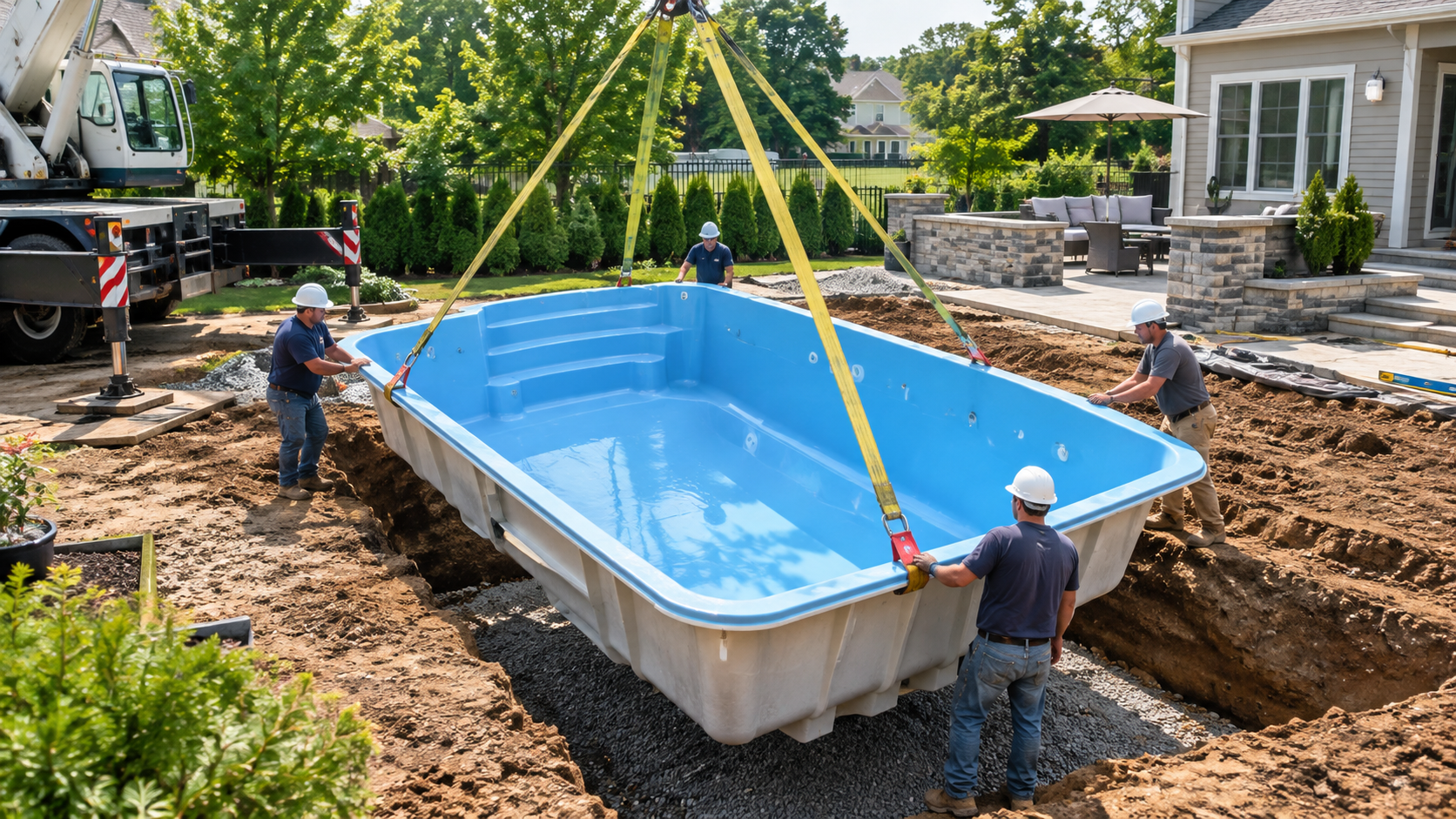
| Shell delivery and placement | 1 day | Crane lifts the shell into the hole and sets it level |
| Backfill, plumbing, and electrical | Several days | Pipes connected, pump and filter installed, lights wired |
| Water fill and startup | 1 to 3 days | Pool filled, water balanced, equipment tested |
| Decking and finishes | 1 to 3 weeks | Concrete or pavers, fencing, coping, landscaping |
You will see some articles say 2 to 4 weeks and others say 3 to 6 weeks. Both are right for different situations. The shorter number usually assumes a clear yard, quick permits, and simple decking. The longer one covers the extra steps most real projects need.
Step by Step: What Happens During Fiberglass Pool Installation
Step 1: Planning and Design
Before anything gets dug, your builder measures the yard, checks utility lines, and picks a shell that fits your space. This is also when you decide on steps, benches, a spa, and where the equipment pad goes. Changing your mind here costs nothing. Changing it after the hole is dug costs a lot.
Step 2: Getting Permits
Most cities require a permit for an inground pool. Plans usually need to show the pool location, fencing, electrical, and drainage. Approval time varies a lot. Some places approve in a week, and some busy markets take much longer.
Step 3: Excavation
The hole is dug to match the exact shape of the shell, plus extra room for the base and backfill. Soil type matters here. Clay, rock, or a high water table can slow this step down or push the price up. This is usually a one to two day job on a clear site.
Step 4: Setting the Shell
A crane often lifts the fiberglass shell into the hole. The shell is factory made, so this step usually takes about one day once the crane is on site. The shell has to sit level, and the crew checks this with a laser or level before anything else happens.
Step 5: Backfill, Plumbing, and Electrical
Gravel or sand gets packed around the shell in layers. Plumbing lines, the pump, the filter, and the electrical connections go in next. This is where a lot of the behind the scenes quality work happens, so it should not be rushed.
Step 6: Water Fill and Startup
The pool gets filled with water, which usually takes one to three days depending on your water pressure. Then the water gets balanced and the equipment is tested. In most cases you can swim a few days after the fill, once the chemistry is safe. Ask your installer for their exact startup steps.
Step 7: Decking and Final Touches
Decking, fencing, coping, lighting, and landscaping go last. This step can take longer than the pool itself if you choose concrete with stamped finishes, large paver areas, or a lot of landscaping.
What Can Slow Down a Fiberglass Pool Build?
Most delays come from a short list of causes. Knowing them ahead of time helps you plan better.
- Permit delays: This is the biggest one. Some cities take a few weeks, while others take more than two months.
- Weather: Heavy rain can flood the excavation and stop work for days. Freezing temperatures can slow concrete decking and backfill.
- Site access: A tight side yard, a fence that blocks the crane, or a steep slope can add time and cost.
- Soil and rock: Hard rock or unstable soil may need extra work before the shell can be set.
- Utility lines: Underground gas, water, or electric lines must be marked and worked around.
- Custom features: Spas, waterfalls, tanning ledges, and custom decks all add days or weeks.
- Material delays: Shells, pumps, and decking materials sometimes take time to arrive.
Fiberglass vs Gunite: How the Timelines Compare
Many buyers compare fiberglass with concrete (gunite) pools, so here is how the build time stacks up.
| Pool Type | Typical On-Site Build Time | Full Project Time | Why It Takes This Long |
|---|---|---|---|
| Fiberglass | 2 to 6 weeks | 2 to 4 months | Shell is factory made, so the on-site work is mostly setting and connecting |
| Vinyl liner | 4 to 8 weeks | 3 to 5 months | Walls, floor, and liner are assembled on site |
| Gunite (concrete) | 8 to 14 weeks once construction starts | 3 to 6 months | Steel and concrete are built on site and need curing time |
Gunite takes longer because it is built from raw materials on site. The concrete needs time to cure before tile, plaster, and finishes go on. Gunite also allows almost any shape, depth, or feature. For many homeowners that flexibility is worth the extra weeks.
How Much Does a Fiberglass Pool Cost in 2026?
Price is where most online articles get messy. Different sources give very different numbers, and some of them do not explain what is included. Here is what the published figures say.
| Source | Figure Reported | What It Likely Covers |
|---|---|---|
| Angi (1,467 verified projects) | Average of about $33,270 | Mixed projects, many likely shell focused. Check the scope before trusting this number. |
| Thursday Pools (2026) | $45,000 to $100,000 or more | Installed standard inground pool |
| HomeGuide | $45,000 to $100,000 | Installed inground pool, depends on size and upgrades |
| Shasta Pool Supply | $48,000 to $80,000 for most installs | Typical installation range |
| River Pools (turnkey) | $85,000 to $200,000 | Full turnkey project, often with a concrete patio |
Is the Cost Actually Good?
Here is the honest technical view.
The shell is only part of the price. A fiberglass shell usually runs about $10,000 to $35,000 depending on size and design. That is the single biggest item, but it is not the full cost.
Extra costs add up fast. Excavation averages around $3,200, but it can reach $20,000 on a difficult site. Heaters, lighting, automation, and covers each add thousands more.
A quote near $33,000 is a warning sign. If a quote is that low, check what is missing. It may leave out excavation, permits, decking, equipment, or a crane. A low number can turn into a much higher final bill.
A quote between $45,000 and $100,000 is in line with the market for a standard installed fiberglass pool. Most projects land here.
Above $100,000 usually means upgrades. Turnkey packages with large decks, spas, or full landscaping push the total up quickly.
So is a fiberglass pool cost good? For most homeowners, a price in the $45,000 to $100,000 range is fair if the quote clearly lists what is included. The real value comes from comparing quotes line by line, not from comparing the bottom number alone.
Typical Add On Costs
| Item | Typical Cost Range |
|---|---|
| Fiberglass shell | $10,000 to $35,000 |
| Excavation | $400 to $20,000 (average about $3,200) |
| Pool heater | $1,600 to $5,200 |
| Pool lighting | $1,500 to $5,000 |
| Automation system | $1,500 to $3,500 |
| Automatic pool cover | $8,000 to $20,000 |
| Waterfall | $2,000 to $8,800 |
Prices change by region and year, so get a local quote before making a final decision.
Checklist: What Should Your Fiberglass Pool Quote Include?
Use this list to compare quotes side by side:
- Shell size, brand, and warranty
- Excavation and hauling of dirt
- Permit fees and inspections
- Crane rental and setting
- Plumbing, electrical, and equipment (pump, filter, heater)
- Backfill material and base prep
- Water fill and startup chemicals
- Decking or patio size and material
- Fencing and safety barrier
- Timeline with clear start and finish dates
- Who handles permit paperwork
If a quote is missing several of these, ask for an updated version before you sign.
How Blue Haven Helps
Blue Haven is an inground pool builder best known for custom gunite (concrete) pools. If you want a pool shaped around your yard, with features that fit how your family uses it, gunite is the path they focus on. If fiberglass is already your choice, the planning steps in this article still apply, and Blue Haven can help you think through the design and budget.
What Blue Haven offers, based on their website:
- Over 70 years of experience in pool building
- More than 300,000 pools built nationwide
- Local offices across the U.S. so a designer can visit your home
- Free in-home consultation and a 3D design of your pool before you commit
- Financing available for qualified buyers, with monthly payment options
- A five step process: share your vision, get a custom design, turn the design into a build, enjoy your pool, then ongoing maintenance support
- Custom shapes, depths, and features, including spas, tanning ledges, waterfalls, and lighting
- Smart pool features through their SmartFeatures program
- A 4.8 star rating from more than 10,000 reviews, according to their site
On timing, Blue Haven says most gunite pools are finished in 8 to 14 weeks once construction begins. That does not include design, permits, or site prep, so plan those steps in addition to the build time.
You can read more about how their process works on the new pools page or the about us page. For real projects, browse the pool photo gallery and the customer stories on the homepage.
Ready to Get a Real Number?
Online averages are a starting point, not a final price. A local visit will show what your yard actually needs.
- Get a free estimate and 3D design
- See pool pricing and cost factors
- Explore financing options
- Find your local Blue Haven office
- Order a free pool brochure
Fiberglass or Gunite? Read These Next
If you are still deciding, these guides from the Blue Haven blog go deeper:
- Gunite Pools vs. Fiberglass Pools: Which Is Right for Your Backyard?
- Fiberglass vs Concrete Pools: Cost, Lifespan, and Which One Fits Your Yard
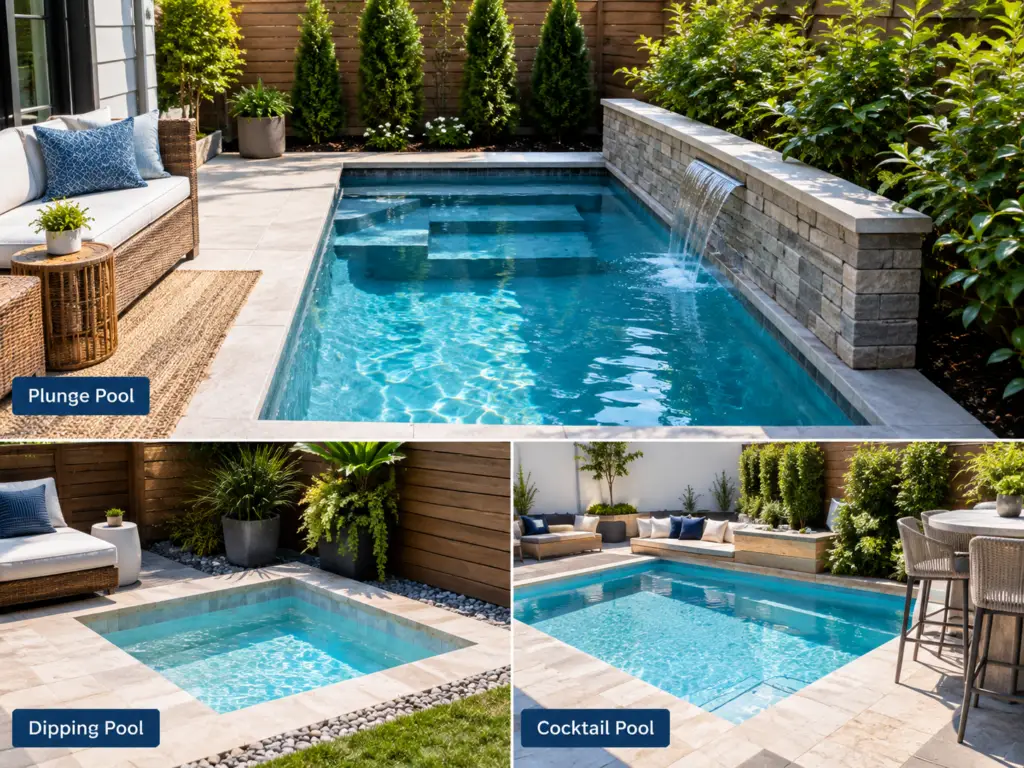
- What Is a Cocktail Pool? Size, Depth, Real Costs, and Whether It Is Worth It
- Small Pools: Plunge, Dipping, and Cocktail Pool Options for Compact Backyards
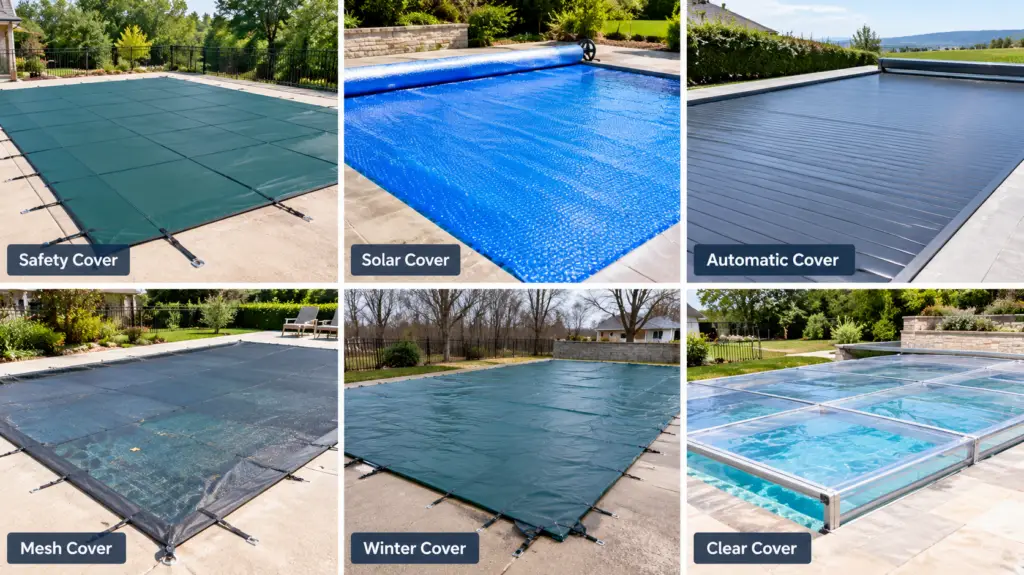
- Types of Pool Covers: Which Is Right for You?
- Why Is My Swimming Pool pH Level So Important?
Tips to Keep Your Fiberglass Pool Project on Schedule
- Start permits early. Ask your builder how long your city takes and file as soon as plans are ready.
- Choose your shell before the design is final. Shell size controls the excavation plan.
- Check the yard for crane access. Move fences, sheds, or plants before the crane arrives.
- Plan for weather. Schedule digging for dry months when possible.
- Lock in your decking choice early. Changing decking late can add weeks.
- Get a written timeline. A good builder will give you start and finish dates in writing.
- Ask about soil testing. Knowing what is under the yard prevents surprise delays.
Frequently Asked Questions
How long does it take to install a fiberglass pool?
Most fiberglass pools take 2 to 6 weeks on site, from excavation to swimming. Including design and permits, the full project often takes 2 to 4 months.
How long does it take to get a permit for a fiberglass pool?
Permit time depends on your city or county. It can range from about 1 week to 2 months, and sometimes longer in busy markets. Ask your builder for an estimate based on your local office.
Can you install a fiberglass pool in winter?
Yes, but cold weather can slow the work. Frozen ground makes digging harder, and concrete decking needs warmer temperatures to cure properly. Many builders schedule the digging and shell setting for warmer months and finish the decking later.
How much does a fiberglass pool cost in 2026?
Most installed fiberglass pools cost about $45,000 to $100,000, depending on size, site conditions, and features. Turnkey projects with large decks and upgrades can go above $100,000. Very low quotes often leave out major costs, so compare what is included.
Is a fiberglass pool cheaper than a gunite pool?
Usually, yes, at the start. A fiberglass shell is factory made, which lowers the on-site labor. Gunite is built on site and often costs more, but it allows almost any shape or feature. The cheaper option depends on what you want the pool to do.
Do you need a crane to install a fiberglass pool?
In most cases, yes. A crane lifts the shell into the hole. Your builder should confirm crane access before scheduling delivery.
How long does a fiberglass pool last?
Many fiberglass pools last 25 years or more with proper care. The shell does not need a liner replacement, but the gel coat can fade or chip over time and may need repair.
How long before you can swim after a fiberglass pool is installed?
Most homeowners can swim within a few days after the water fill and startup. The water chemistry has to be balanced first, so ask your installer for their exact timeline.
Can a fiberglass pool fit a small backyard?
Yes. Fiberglass pools come in many sizes, including narrow lap pools, plunge pools, and small cocktail pools. Access for equipment is often the bigger challenge than the pool size itself.
What is the difference between fiberglass and gunite installation time?
Fiberglass usually takes weeks on site because the shell is pre-made. Gunite takes longer because concrete is built and cured on site. Blue Haven reports 8 to 14 weeks for gunite once construction starts, and that excludes design and permits.